The Missouri River valley around Sioux City, South Sioux City, and Vermillion carries some of the heaviest cottonwood and elm canopy in the tri-state region - big, fast-growing shade trees planted along residential streets decades ago that now drop leaves hard through October. A gutter that looks fine after Labor Day can be packed solid by Halloween, and because cottonwood leaves are broad and mat down quickly once they're wet, a clogged run often doesn't announce itself until the first hard freeze pushes meltwater back up under the shingles.
We hand-clear every gutter and valley, flush each downspout to confirm it's actually draining, and check for early signs of sagging, loose brackets, or ice-dam damage while we're already up on the ladder. This isn't a leaf-blower drive-by that just relocates debris onto your lawn or into your beds - we bag it and haul it away, every time.
Most homeowners in Sioux City, South Sioux City, and Vermillion need two cleanings a year: one in late October or early November after the leaves are down, and a second lighter check in spring once the snow clears, to catch anything the winter left behind. Homes under especially heavy cottonwood or elm canopy - common in Sioux City's Morningside neighborhood and along Vermillion's older tree-lined streets near campus - sometimes benefit from a mid-fall check as well, since a single hard prairie wind can dump a season's worth of leaves into a gutter in an afternoon.
We also get a fair number of calls from homeowners who had a national franchise or a general handyman clean their gutters the year before and found the job rushed or incomplete - valleys skipped, downspouts never actually flushed, debris left in the yard. We run a smaller, dedicated operation specifically because gutter work rewards attention to detail that a crew juggling five other trades often doesn't have time for.
- Full hand-clearing of gutters and valleys, not just a leaf-blower pass
- Downspout flush-through to confirm water is actually draining
- Debris bagged and hauled away, not left in your yard or beds
- Visual check for sagging sections, loose brackets, and ice-dam damage
- Photos of before/after on request
- Firm price confirmed before we start - no hourly surprises
| Home Size | Typical Price |
|---|---|
| Single-story home | $105 - $180 |
| Two-story home | $155 - $300 |
| Add-on: detached garage gutters | +$35 - $60 |
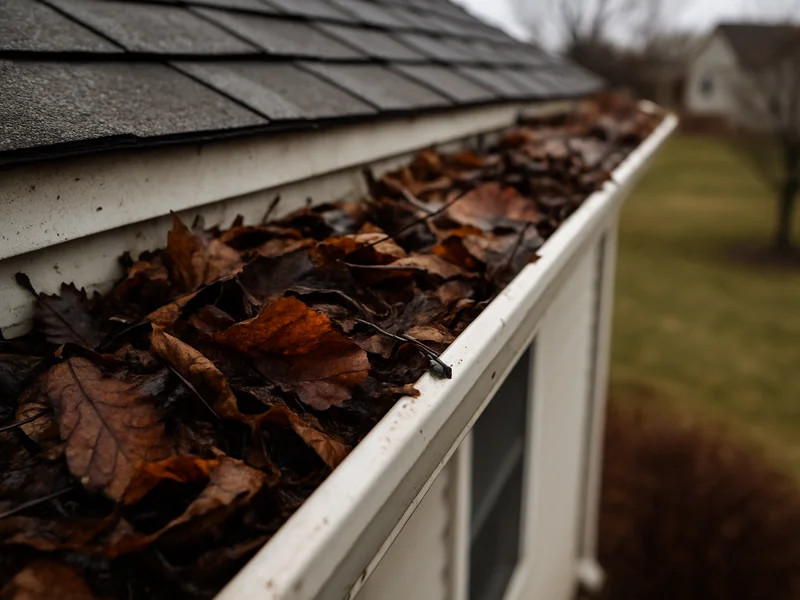
Before
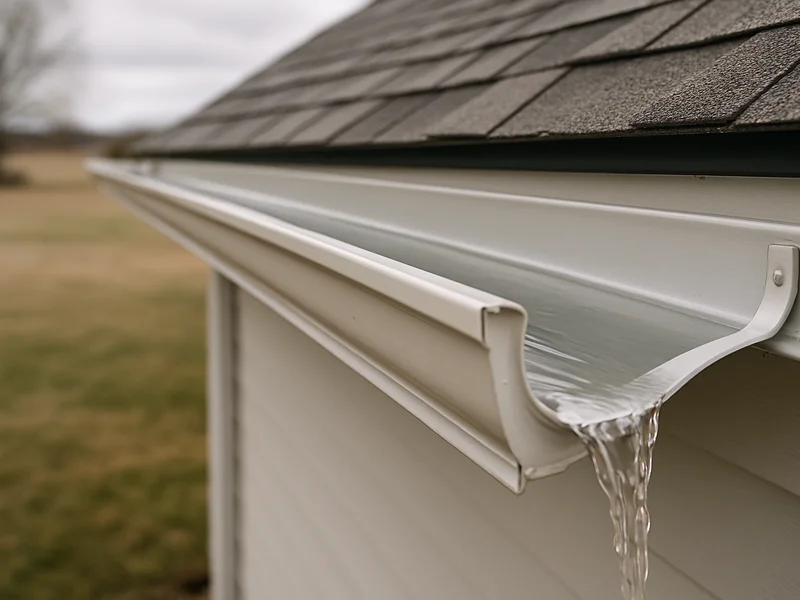
After